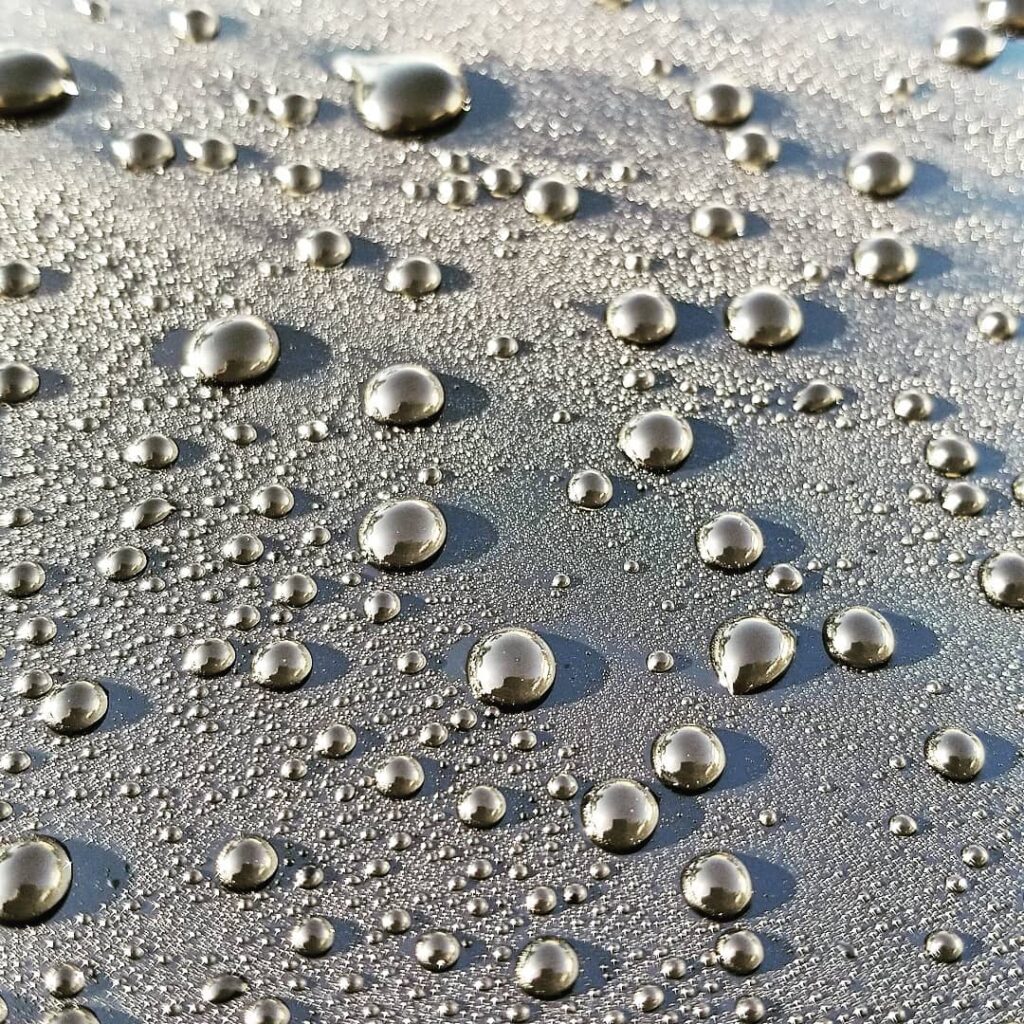
Hardness Values of Ceramic Coatings
Explore how the hardness value of a ceramic coating is evaluated and test regimes conducted to measure it.
RELATION BETWEEN THE SCRATCH RESISTANCE & HARDNESS
Scratch resistance is one of the most crucial properties of a ceramic coating. It is usually achieved by when a ceramic coating is fully hardened (cured) on paintwork. As hardness increases, coating layer becomes more durable against physical damages such as cat paws, stone chips and similar external factors. These major scratches generally need repaint on body panels. Ceramic coatings with premium quality have higher hardness level in order to protect your paintwork as much as possible. You can read our blog to find out how a ceramic coating bonds and cures on vehicles’ panels:
https://dulvap.com/ceramic-coating/
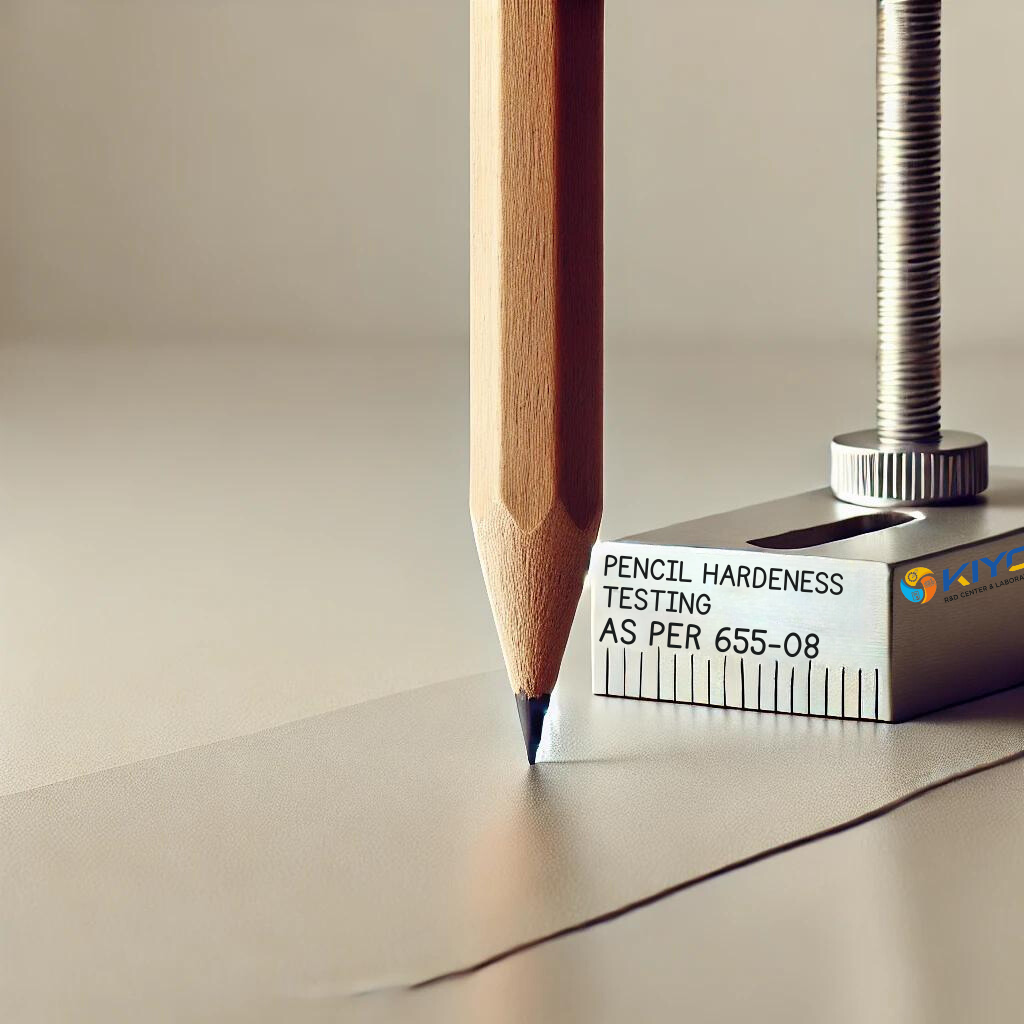
To evaluate the effective hardness of a coating, several tests may be performed according to global standards. Pencil hardness test is an easy-to-perform and favorable method to measure a coating’s scratch resistance on hard finishes. It helps to determine the durability level of a ceramic coating against major scratches generated on body panels.
HOW IS PENCIL HARDNESS TEST PERFORMED ?
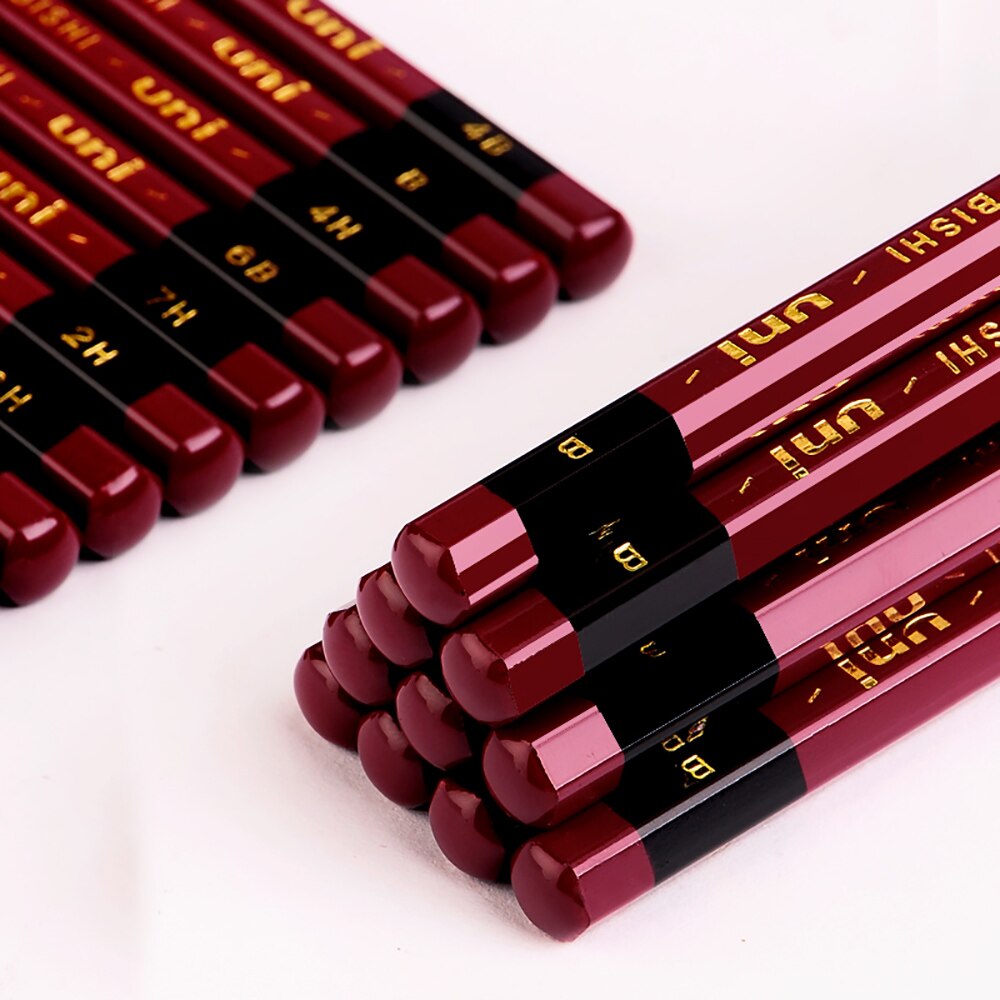
The global test standards for determining the pencil hardness values of a coating are ISO 15184 and ASTM D 3363. In these tests, pencils in a range of 8B to 10H hardness grade are used. A certain grade, starting from softer ones, of pencil is moved scratching over the surface under 45o angle with a constant pressure. Then an optical assessment is carried out to see which pencil hardness can damage the coating.
Unless otherwise stated, the first pencil that can damage test specimen’s surface without the possibility of return, remarks the coating’s pencil hardness level.
For detailed information about test standards:
https://www.iso.org/standard/76044.html
https://store.astm.org/d3363-20.html
FAQ ABOUT HARDNESS OF CERAMIC COATINGS
What is the hardness level of a standard vehicle for factory clear coat?
Pencil hardness value may vary among the different manufacturers since they use different paintwork systems. Some Japanese brands prefer water-based, relatively soft clear coats that can withstand 2H hardness where premium European manufacturers may have 4H-5H hardness of clear coats in general.
Should I apply multiple layers of ceramic coating in order to increase hardness?
Applying multiple layers (or more layers than stated in instructions sheet) only result in thicker coating. Sometimes increasing the thickness may decrease hardness value by piling unnecessary layers on, negatively affecting the curing procedure of coating. Always stick with the application manual of any product to get best performance.
What is the difference between 9H and 10H hardness?
Differentiation between 9H and 10H is basically signals that 10H is the highest level available in pencil hardness test and euphoria for detailing products. Where 9H is more than enough for most customers looking for a ceramic coating installation, they will probably be satisfied with scratch resistance of the coating by avoiding minor scratches and swirl marks. A real 10H ceramic coating will serve an outperforming protection in stronger impacts and retain its gloss level for prolonged periods. Its important to remind that ceramic coatings with 10H hardness are usually hard to install as they require professional experience in detailing.